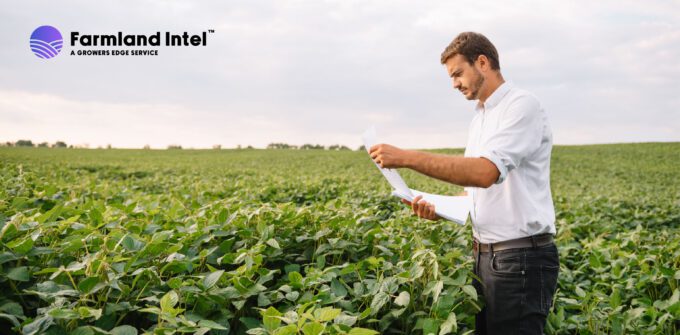
For first-time investors, sealing the deal on a piece of farmland can be exciting and nerve-wracking. While farmland has a history of being a lucrative investment, investors, no matter how “green” or experienced they are, should enter every deal cautiously.
In this guide, we’ll walk you through what you need to know before investing in farmland so you can confidently begin your investment journey.
The Benefits of Farmland Investing
The potential in a farmland investment goes beyond your bottom line. When you invest in farmland, you’re also investing in the communities it will feed. But we also know that for most first-timers, building wealth is the ultimate goal. The good news is that both are possible; you can make an impact on communities while also generating income that meets your business goals.
And both, while important, aren’t the only benefits of investing in farmland. Other benefits include:
- Inflation Protection: When the cost of food and other commodities rise, so does the value of farmland.
- Low-Volatility Asset: Farmland investments don’t experience market volatility, which creates more stability for first-time investors.
- Demand: The demand for food globally is projected to continue to increase, and as the demand increases, so will the value of farmland.
How To Start Investing In Farmland
Removing some of the anxieties that come with making your first investment in farmland starts with gathering as much information as you can. Use this step-by-step guide to better navigate the investing process and ultimately find your first lucrative piece of land.
Step 1: Choose Your Investment Type
You can either purchase land and manage it on your own or take a more passive approach and invest in a platform or real estate investment trust (REIT), which allows you to invest through a third party.
Step 2: Do Your Research
Research on market trends, location, soil quality, and crop types will help you identify the best farmland investments that meet your needs. Valuation tools, like Farmland Intel, can make a huge difference in helping you gather the data needed to identify great investment opportunities.
Step 3: Consult Experts
Whether you plan to be hands-on or off, the more expertise you have on your investment, the better. And in many cases, that looks like hiring the right people to help you navigate the complexities of owning farmland. That includes legal, tax, and agricultural advisors.
Understand Risks
Any investment you make will have risks, and understanding what you’re up against will prepare you for challenges that may come. There are common risks in farmland investing, like weather events or operational complexities.
Following these steps thoroughly will put you in a position to turn your investment into sustainable success.
Is Investing In Farmland Right For You?
Farmland is a unique investment that requires thoughtful research, patience, and the understanding that it’s less about immediate gains and more about long-term growth. If you’re wondering if investing in farmland is right for you, start by asking yourself:
- Am I comfortable with a longer-term investment?
- Do I want to manage a tangible asset?
- Am I prepared to navigate the unique risks that come with farmland management?
Farmland Intel helps you answer some of those questions through market insights and valuation tools that identify quality opportunities, avoid common mistakes first-time investors make, and use farmland data to make confident decisions. Learn more about how Farmland Intel can support you in reaching your financial goals.