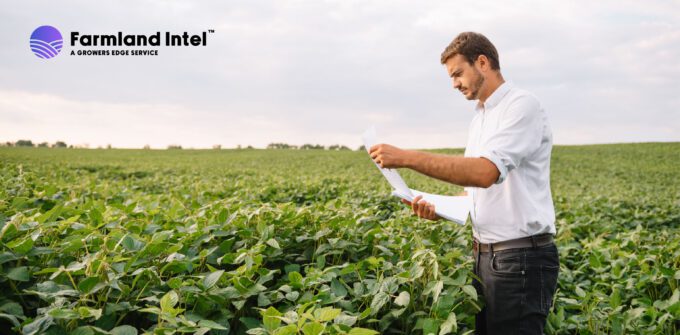
For agricultural leaders looking to invest in farmland in 2025, in many ways, the odds are in your favor. According to the U.S. Department of Agriculture, farmland values increased by 5.0%, with cropland values rising by 4.7% and pastureland by 5.2% in 2024. While investing comes with its risks, buying farmland continues to show promise. This is especially true for investors who do their due diligence before setting foot on any soil.
In this guide, we’re breaking down how large-scale agricultural leaders can make a smart investment in farmland in 2025 and beyond.
Is Farmland A Good Investment in 2025?
In 2025, investing in farms remains one of the most stable and strategic decisions an investor can make. The consistent growth in the market is driven by three key things: demand, availability, and use.
The demand for food isn’t going anywhere, while the land availability is steadily decreasing. This supply and demand imbalance makes farmland essential globally. For agricultural leaders looking to scale, that translates into a stable, low-volatility, and inflation-resistant investment with long-term growth potential.
Here are trends to keep in mind before you invest in farmland:
- Farmland values continue to rise, with U.S. cropland increasing by 4.7% in 2024, due to global food demands and limited land.
- Stabilized interest rates and commodity prices are boosting farmland’s income potential through higher rents and operating returns.
- Regional performance varies, with high-potential areas offering better infrastructure, water access, and market proximity. Farmland intel helps investors identify these opportunities.
- Farmland remains a low-volatility, inflation-proof asset, with consistent returns.
Does Investing in Farmland Scale?
Short answer, yes. Now, if you were to ask “how” it scales, that’s where we start to uncover the true potential of buying farmland. As long as food demand continues to grow globally, investing in farms will always be scalable.
That comes with benefits that include:
- Recurring income: Generate consistent returns through rent or crop operations.
- Appreciating Asset: Farmland values continue to rise consistently.
- Portfolio Diversification: Low volatility and inflation resistance balance a portfolio.
- Operational Efficiency: The more acres you own, the more you save on operational costs.
Tools like Farmland Intel support farmland scalability by reducing risks and identifying growth opportunities in farms.
What Agricultural Leaders Need To Know Before Buying Farmland
Before you invest in farmland, a thorough assessment of the land’s performance should be at the top of your priority list. Agricultural leaders who understand the importance of examining soil quality, water access, or even proximity to infrastructure put themselves in a position to make a solid business decision. That kind of data plays a critical role in the land’s overall value.
It’s also smart to look into legal records like zoning, land use rights, and environmental regulations. The more data you accumulate on a piece of land, the better. And it doesn’t have to be complicated to get this essential information.
Investing in farmland in 2025 gives agricultural leaders an opportunity to take advantage of a thriving market. To set yourself up for success, you should consider market trends, regional dynamics, and rely heavily on data that uncovers the true farmland valuation.
Farmland Intel helps agricultural investors analyze everything from regional trends, yield potential, and common risk factors before they leap into buying farmland. See how we can help your next investment be your best investment.